Health and Safety Policy for Landscaping Alperton
 This Health and Safety Policy sets out the principles that guide safe working practices in landscaping Alperton. It applies to all outdoor tasks, from routine garden upkeep to more complex grounds work, and is intended to protect staff, clients, visitors, and the public. Our approach is simple: identify hazards early, control risks effectively, and maintain a safe working environment at all times.
Landscaping work can involve machinery, tools, manual handling, working near traffic, exposure to changing weather, and contact with soil, plants, and waste materials. For that reason, every project must be planned with care. We expect all workers to follow safe systems of work, use equipment properly, and report anything that could affect safety. Prevention is always better than correction, especially when carrying out outdoor duties.
 A safe landscaping operation depends on good preparation and clear communication. Before work starts, supervisors should assess the site, note any hazards, and confirm that the right controls are in place. This includes checking access routes, identifying uneven ground, and making sure tools and vehicles are suitable for the task. Nothing should begin until the area is considered safe to work in.
All employees and contractors involved in landscaping services must be competent for the work they are assigned. Training should cover correct lifting methods, safe use of hand tools and powered equipment, awareness of slips and trips, and the use of personal protective equipment where necessary. Workers must never use machinery they are not trained to operate, and damaged equipment must be removed from service immediately.
Risk assessment is central to this policy. Each job should be reviewed for potential dangers, including sharp tools, buried services, unstable surfaces, dust, noise, harmful plants, and adverse weather conditions. Controls may include barriers, signage, task rotation, hydration breaks, or temporary suspension of work when conditions become unsafe. When carrying out landscaping Alperton projects, the same standards apply regardless of site size or duration.
 Good housekeeping is essential in every phase of the work. Tools, materials, cables, and waste must be stored or removed so that walkways remain clear. Collections of cuttings, rubble, and packaging should be managed promptly to reduce fire risk and prevent accidents. Vehicles and machinery should be parked safely, and reversing should be controlled with spotters or other suitable measures where visibility is limited.
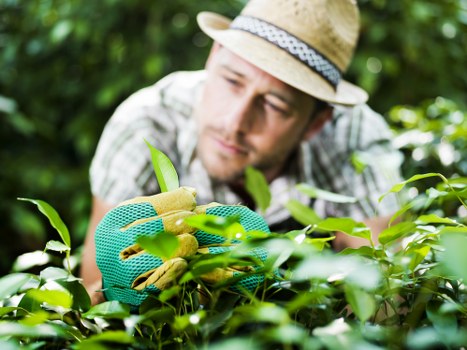
Personal protective equipment must be selected to match the hazards of the job. Depending on the activity, this may include gloves, safety footwear, eye protection, hearing protection, high-visibility clothing, or dust masks. PPE is the final line of defence and must be worn correctly and maintained in good condition. If any item becomes damaged or unsuitable, it should be replaced without delay.
Manual handling remains a major consideration in landscaping work. Lifting soil bags, stones, turf, plants, and tools can place strain on the body if done incorrectly. Tasks should be planned to reduce unnecessary lifting, and mechanical aids should be used where possible. Team lifts should be arranged for awkward or heavy items. Workers must take care to bend safely, keep loads close to the body, and avoid twisting while carrying weight.
Weather conditions can change quickly and create hazards such as heat stress, cold exposure, slippery surfaces, and poor visibility. Supervisors should monitor conditions and adjust work accordingly. Breaks, drinking water, suitable clothing, and rescheduling may all be necessary to keep people safe. In addition, work near roads, driveways, or public spaces requires extra vigilance to protect both workers and passers-by.
 Emergency procedures must be understood by everyone involved in the work. First aid materials should be available on site, and staff should know how to respond to injuries, chemical exposure, equipment faults, or fire-related risks. Accidents, near misses, and unsafe conditions must be reported quickly so they can be investigated and prevented from happening again. Prompt action supports a safer workplace for everyone.
Health monitoring is also important in landscaping Alperton, particularly where workers are exposed to repetitive strain, vibration, noise, dust, or allergens. Any signs of illness, fatigue, skin irritation, or respiratory difficulty should be taken seriously. Where necessary, duties should be reviewed and reasonable adjustments made. Regular pauses and task variation can help reduce physical strain over long periods of outdoor work.
 Management is responsible for reviewing this policy regularly to ensure it remains effective and relevant. Updates should reflect changes in work methods, equipment, and risk levels. Supervisors must lead by example, enforce safe practices consistently, and encourage a culture where people feel confident raising concerns. Safety is not a one-time task; it is an ongoing commitment that supports high standards across every landscaping activity.
By following this policy, landscaping operations can be carried out responsibly, efficiently, and with the well-being of all involved at the centre of the work. Every person has a part to play in maintaining safe conditions, respecting procedures, and remaining alert to hazards. Through planning, training, and accountability, landscaping safety becomes a practical part of everyday work rather than an afterthought.